For decades, bunkers were something you only saw in Cold War documentaries.
Concrete doors.
Underground tunnels.
Government paranoia.But today?
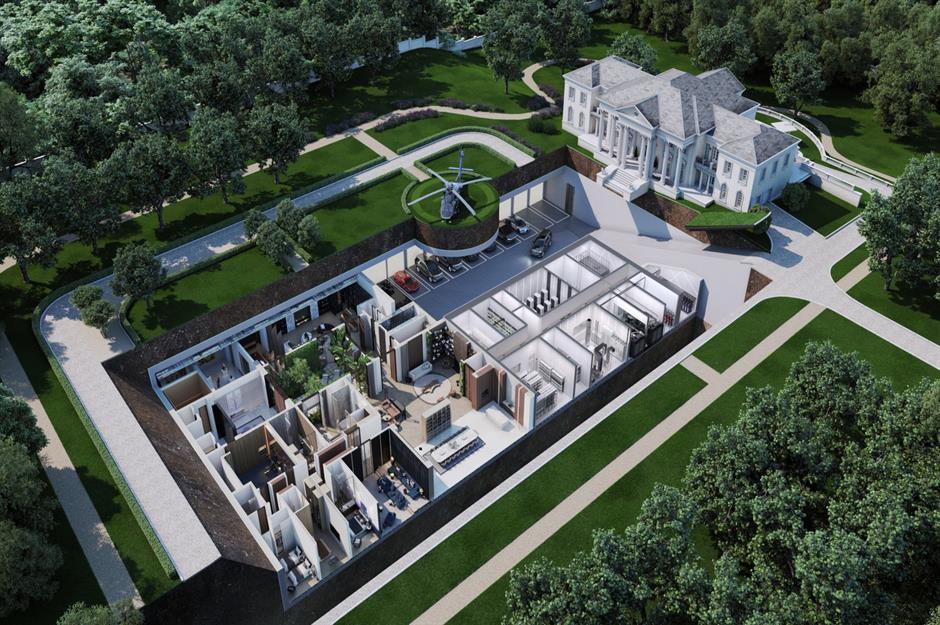
Private bunkers are quietly becoming one of the fastest-growing luxury real estate trends in the United States.
And some of these homes look completely normal on the outside.
Until you see what’s underneath.
Why Are Bunker Homes Suddenly Popular?
After 2020, several things happened at once:
• Pandemic uncertainty
• Civil unrest
• Supply chain fears
• Rising geopolitical tensions
• Extreme weather events
According to real estate brokers in Texas, Utah, Florida, and Colorado, inquiries about homes with reinforced safe rooms and underground shelters have increased significantly since 2020.
And it’s not just survivalists anymore.
It’s executives.
Doctors.
Tech founders.
Suburban families.
The Rise of Luxury “Prepper Chic”
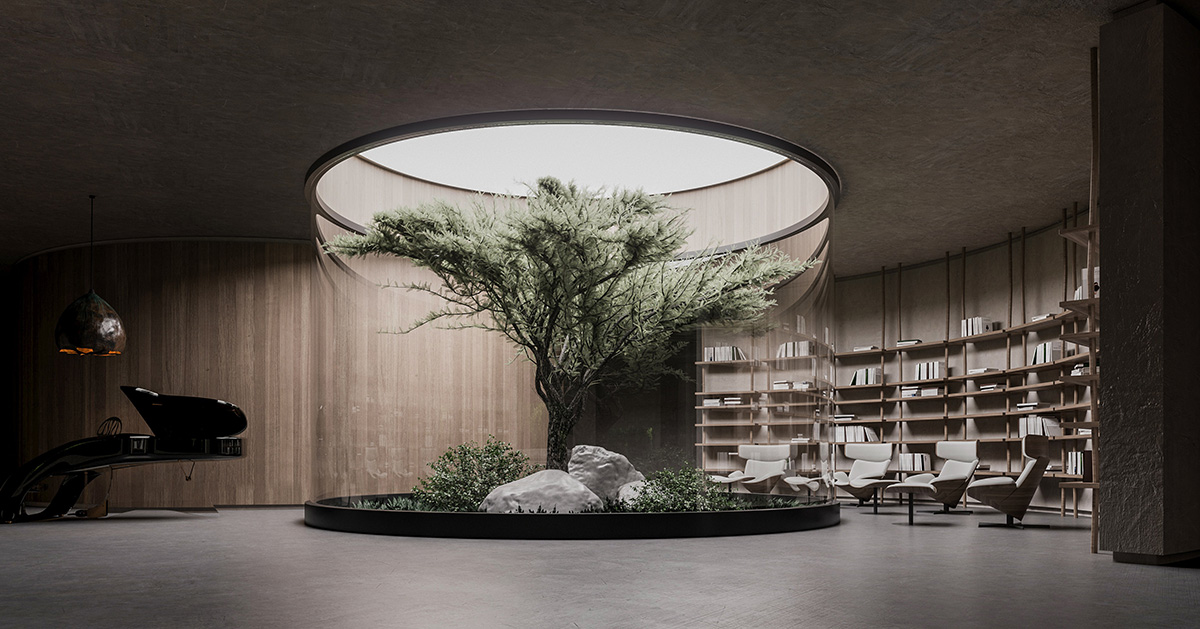
Modern bunker homes are nothing like the concrete boxes from the 1960s.
Today’s high-end bunker features may include:
• Climate-controlled underground suites
• Independent air filtration systems
• Solar + battery backup
• Private water wells
• Reinforced concrete walls
• Steel blast doors
Some even include:
• Wine storage
• Private gyms
• Indoor hydroponic gardens
• Communication rooms
In certain luxury developments, bunker upgrades can add $50,000–$500,000 to the property value.
Real Examples in the U.S.
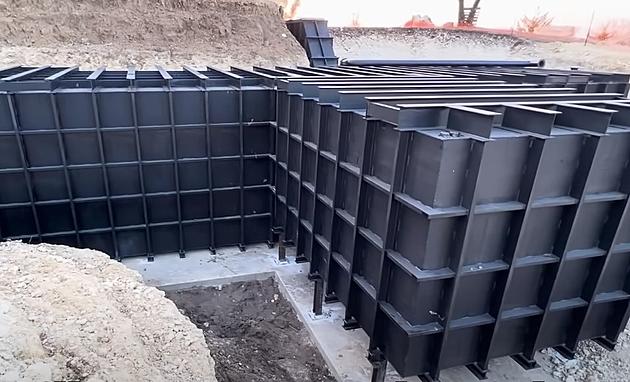
1️⃣ Kansas Missile Silo Conversions
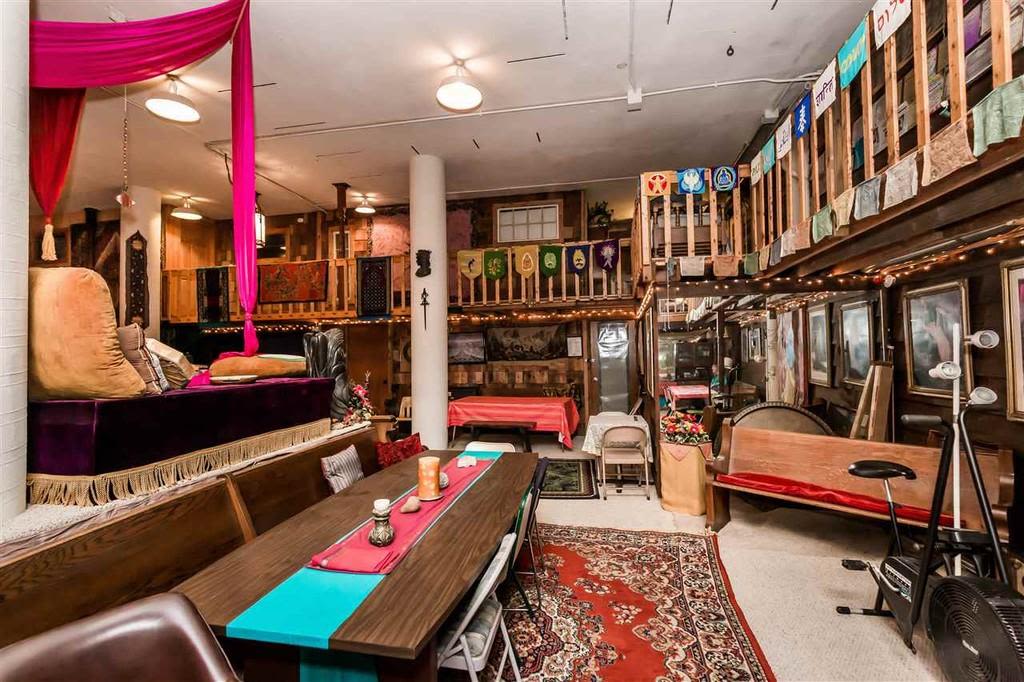
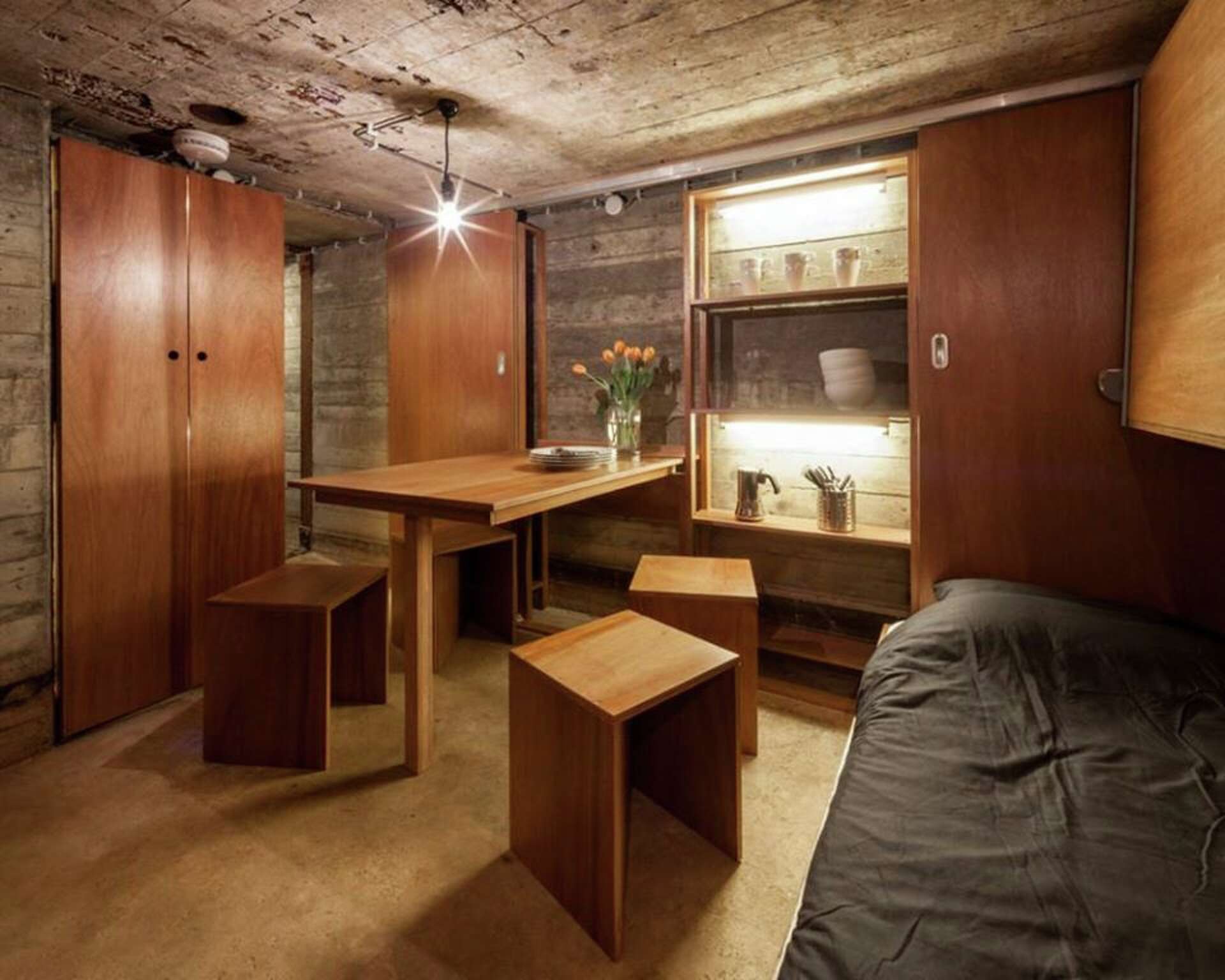
Former Atlas missile silos have been converted into multi-level underground condominiums. These are real properties with amenities like pools, gyms, and medical facilities.
2️⃣ Texas Custom Homes
In parts of Texas, builders now offer reinforced storm shelters and optional underground bunkers as add-ons for high-net-worth buyers.
3️⃣ Utah “Safe Community” Developments
Certain gated communities market reinforced construction and shelter capabilities as a premium feature.
These aren’t conspiracy bunkers.
They’re marketed as resilience upgrades.
10 Most Insane Bunker Homes in America
Tornado Alley & Climate Anxiety

In the Midwest and South, bunkers are often framed less as “doomsday shelters” and more as:
• Tornado protection
• Hurricane resilience
• Emergency supply storage
As extreme weather events increase in frequency, reinforced shelters are being seen as practical investments.
FEMA-approved storm shelters have also grown in demand.
Is This Just Fear Marketing?
Partially — yes.
But it’s also economics.
Wealth concentration has increased.
High-net-worth buyers want contingency plans.
Developers respond to demand.
And in a world where uncertainty feels constant, psychological security sells.
A reinforced room isn’t just concrete.
It’s peace of mind.
The Numbers
Industry reports suggest:
• Safe room installations increased after 2020
• Luxury bunker builders report rising inquiries
• Real estate agents confirm buyer interest in reinforced properties
However, this remains a niche market — not mainstream suburbia.
For now.
What These Homes Really Represent
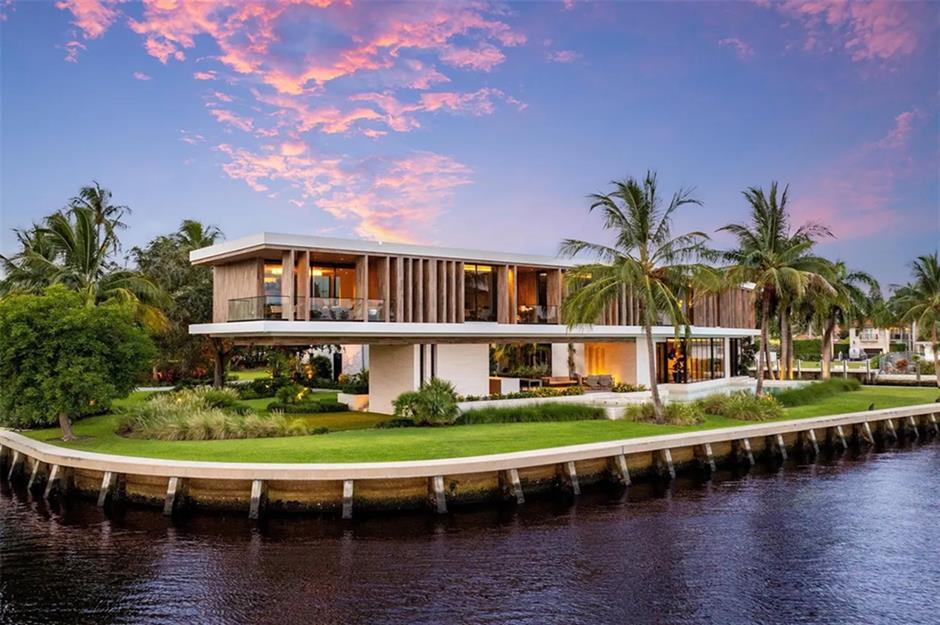
The modern bunker home isn’t about paranoia.
It’s about control.
Backup systems.
Water access.
Energy independence.
Structural security.
And for some buyers, that’s worth millions.
The Bigger Question
Are bunker homes the future of American real estate?
Probably not for everyone.
But for affluent buyers in uncertain times, the trend is real.
And if the last few years have taught Americans anything, it’s this:
Preparedness isn’t fringe anymore.
It’s a feature.
Top Articles