7️⃣ The Colorado Mountain Fortress
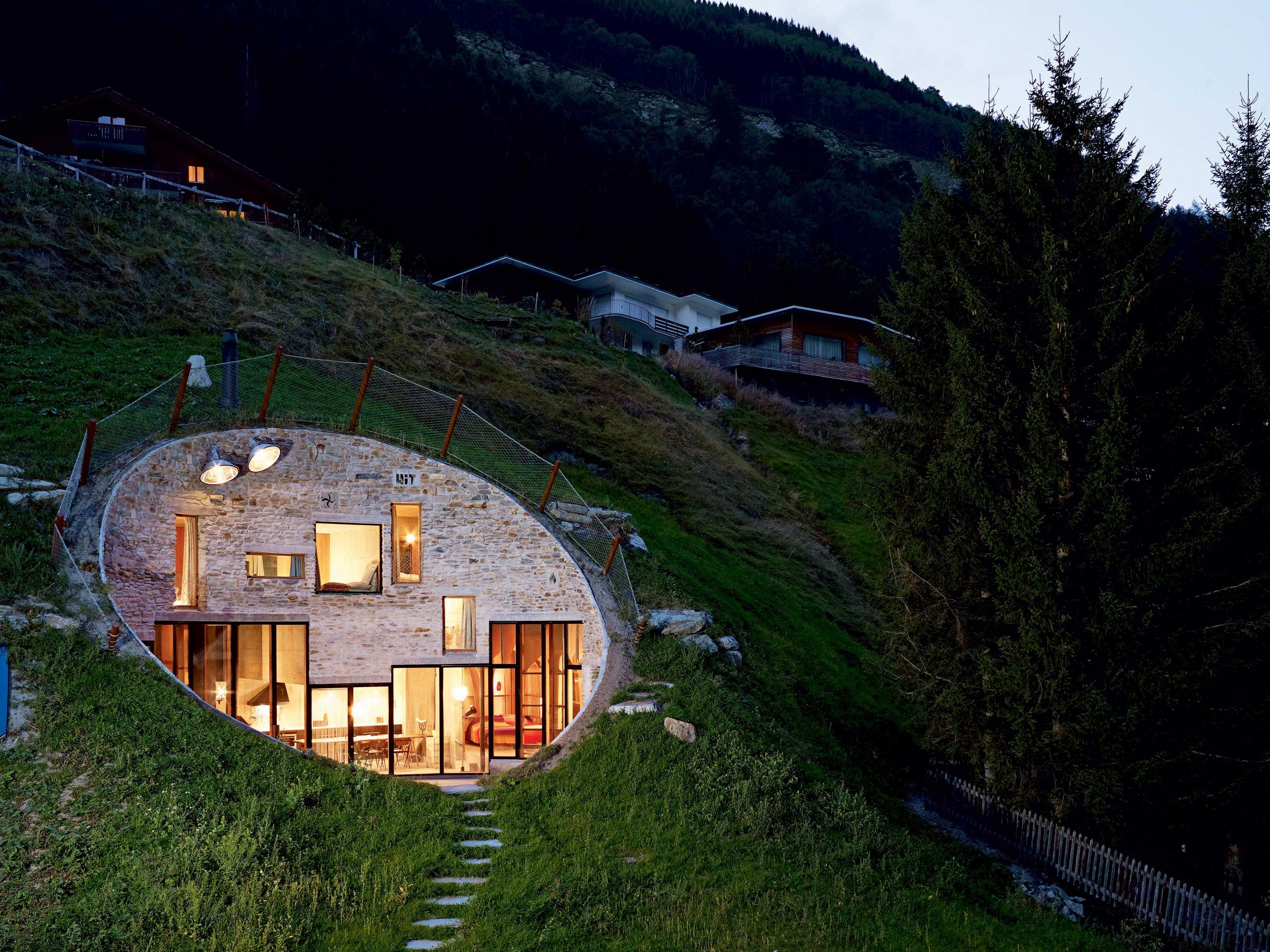
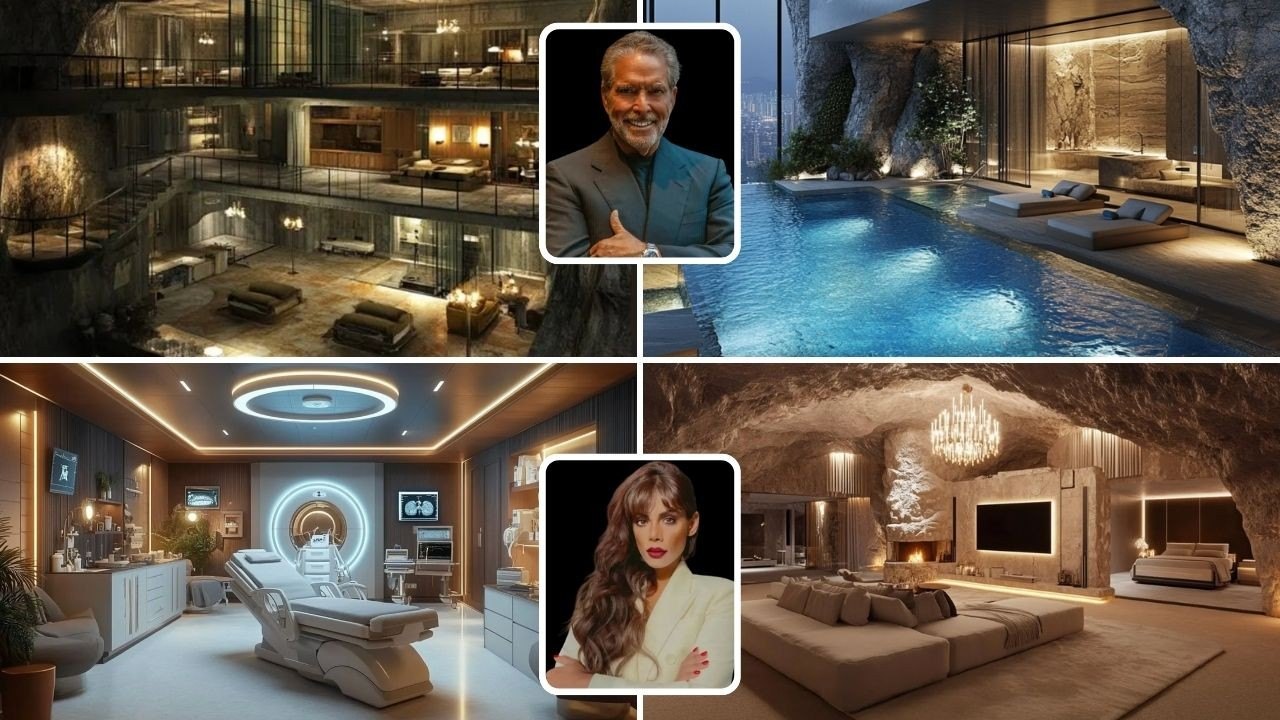
Mountain properties often feature concealed underground extensions carved into rock.
Owners value:
- Privacy
- Geological insulation
- Security
Some include hidden tunnel access and multi-layer reinforced construction.
You’d never know from the driveway.
8️⃣ The California Tech Executive Hideaway
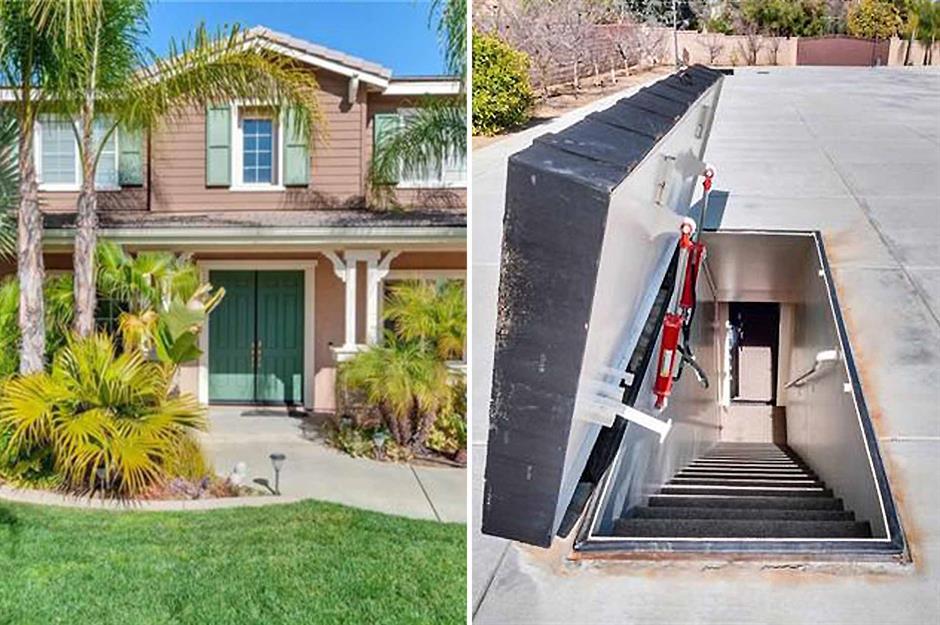
In Silicon Valley circles, “preparedness architecture” has quietly gained traction.
Private builds reportedly include:
- Sealed safe suites
- Independent power systems
- Encrypted communication rooms
- Underground storage vaults
They’re not marketed publicly — but contractors confirm the demand exists.
9️⃣ The Midwest Backyard Bunker
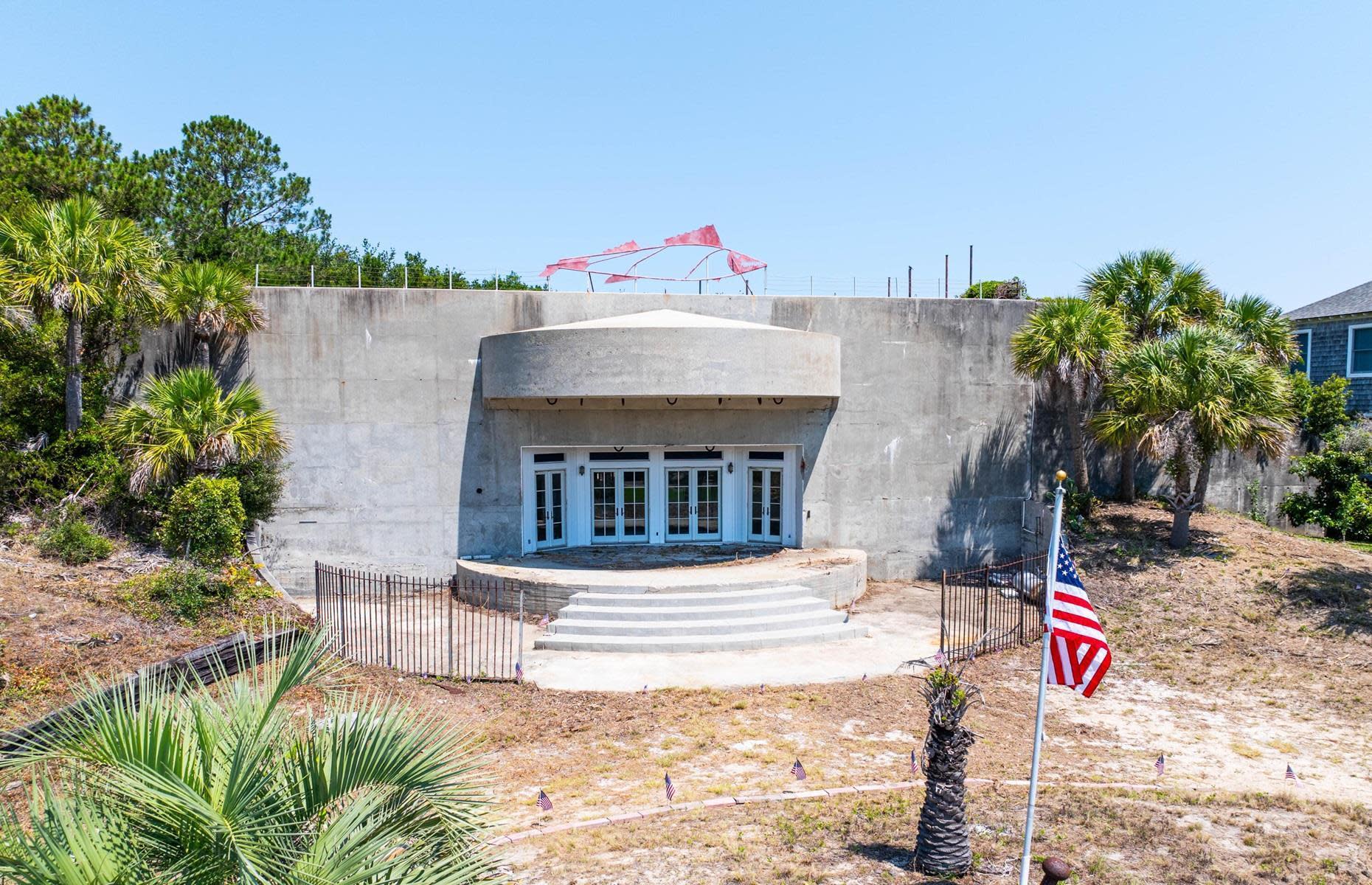
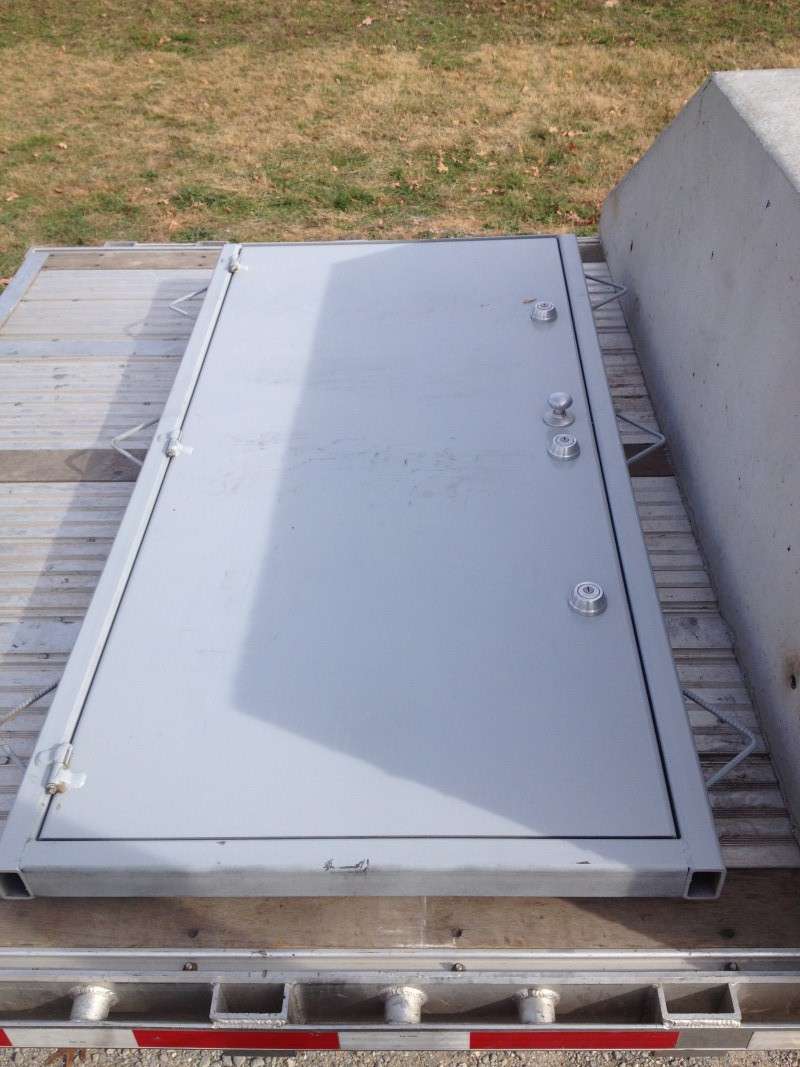
Not all bunker homes cost millions.
Across the Midwest, many families install:
- Precast concrete shelters
- Steel storm capsules
- Underground family safe rooms
Often hidden beneath backyard sheds.
More practical than dramatic — but still part of the same trend.
🔟 The Hidden Panic Room Mansion (Multiple States)
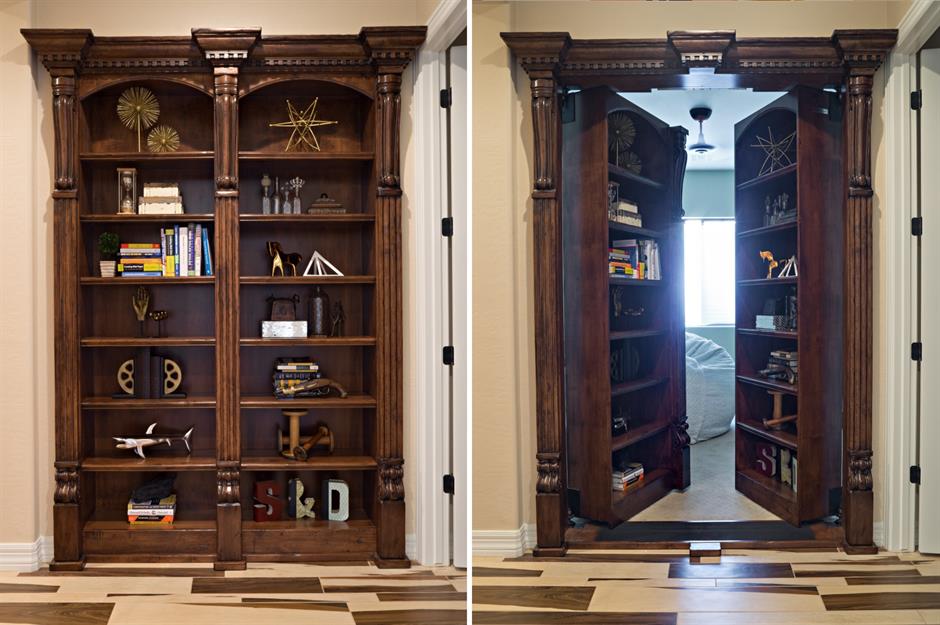
Some of the wildest builds aren’t deep underground at all.
They’re hidden within the home:
- Behind rotating bookcases
- Beneath staircases
- Inside reinforced vault rooms
Bullet-resistant doors.
Independent ventilation.
Internal communication systems.
Invisible — until activated.
Why This Trend Is Growing
Since 2020, demand for safe rooms and underground shelters has increased due to:
- Climate events
- Civil unrest concerns
- Supply chain fears
- Rising wealth inequality
- Psychological need for control
Bunker homes are no longer just about apocalypse.
They’re about contingency planning.
Are They Becoming Mainstream?
Not yet.
But in luxury markets? Absolutely.
Preparedness has become a selling point.
And in a world that feels unpredictable, concrete walls underground feel oddly reassuring.
Top Articles