A Rare Window Into the Past
Ancient DNA is extremely difficult to obtain.
Researchers often rely on the petrous bone — the densest bone in the skull — to extract viable genetic material.
The three-year-old discovered earlier was too degraded to test.
But the two infants provided enough intact cells to rewrite history.
Still, some experts caution against overgeneralizing.
Geneticist Dennis O’Rourke noted that a single genome cannot define an entire population.
More samples are needed.
The challenge? These discoveries are incredibly rare.
What Happened to the Ancient Beringians?
Scientists still don’t know.
Did they disappear?
Were they absorbed into later Native populations?
Did they migrate elsewhere?
Some researchers believe their genes may still exist in modern Indigenous communities — blended over thousands of years.
But without additional ancient samples, the mystery remains unsolved.
A Second DNA Mystery: When Science Changes Identity
The article then shifts from ancient DNA to a modern case that stunned forensic science.
The Case of Chris Long — A Man Whose DNA Changed
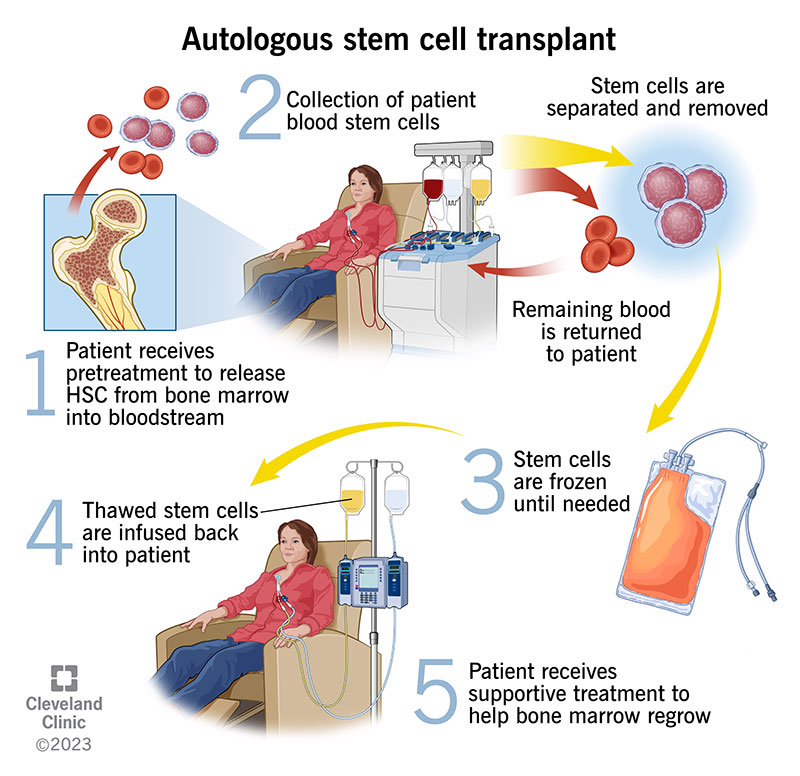
In 2015, Chris Long, an IT specialist in Nevada, was diagnosed with acute myeloid leukemia.
His only option: chemotherapy and a bone marrow transplant.
His donor? A man in Germany.
After the transplant, something unexpected happened.
Within months, Chris’s blood DNA had been replaced by his donor’s.
Over the following years, forensic scientists discovered:
- His saliva contained donor DNA
- His facial swabs matched the donor
- Even his sperm carried donor genetic material
Only the hair on his head and chest retained his original DNA.
Chris had become what scientists call a chimera — a person with two distinct sets of DNA.
Why This Matters
Medically, Chris remained himself.
His personality and identity did not change.
But for forensic science, this case raised serious concerns.
What if:
- A crime scene DNA sample matches two different people?
- A transplant patient is misidentified?
- A parent’s DNA does not match their biological child?
In fact, similar mix-ups have already occurred in criminal investigations.
DNA, once considered infallible in courtrooms, suddenly appeared more complicated.
Chimerism May Be More Common Than We Think
Chimerism can occur naturally.
- “Vanishing twin” cases
- Microchimerism during pregnancy
- Bone marrow transplants
Studies suggest up to 8% of twins and 21% of triplets may exhibit forms of chimerism.
Yet most people never know.
These discoveries are forcing forensic experts to reconsider how DNA evidence is interpreted in legal systems worldwide.
What These Stories Have in Common
Ancient Alaska.
Modern Nevada.
Two completely different timelines.
But one shared truth:
DNA still holds secrets we barely understand.
From forgotten human lineages buried in red ochre…
To modern patients whose genetic identity transforms after life-saving treatment…
Science is constantly reshaping our understanding of what it means to be human.
And the story is far from over.
Top Articles